
Sioned Hancock — For bladder and pelvic concerns
Pelvic health symptoms can affect how you move, work, travel, exercise and feel in your own body.
Appointments are private, calm and clinically focused. The aim is to understand what is contributing to your symptoms and build a practical plan around you.
- Specialist support for bladder and pelvic concerns
- Private, calm, clinically focused appointments
- Support for both men and women
- Assessment-led plans, not one-size-fits-all advice
- HCPC registered & CSP member
Pelvic Health Physiotherapy
Pelvic health symptoms are common, but they still deserve attention
Many people wait a long time before asking for help. Whether it is with the use of continence products, avoiding long journeys, adapting or even stopping physical activity, or planning the day around toilet access. Pelvic health physiotherapy can help assess symptoms such as bladder leakage, urgency, frequency, pelvic pain, voiding dysfunction, post-surgical management and postnatal symptoms. You do not need to diagnose yourself before booking. That is part of the assessment. Support depends on your assessment and clinical findings.
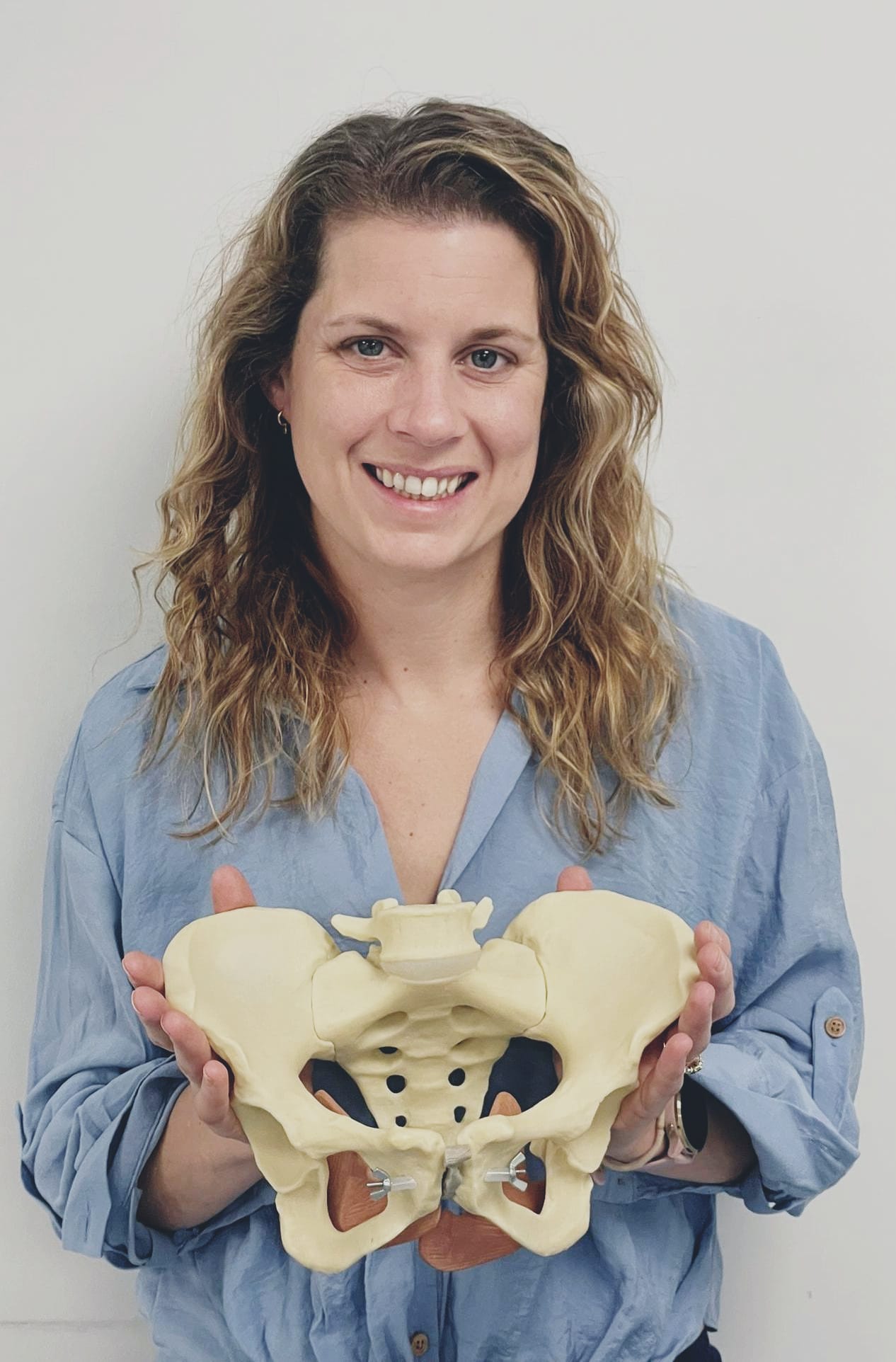
Areas of Support
Pelvic health concerns affect people of all ages and backgrounds. If you have been referred by a clinician, or are wondering whether pelvic health physiotherapy might help you, there are many areas Sioned works with.
Women's Pelvic Health
Specialist support for women across all life stages - from pregnancy and postnatal recovery to prolapse, pelvic floor weakness, and menopause-related changes.
Men's Pelvic Health
Specialist assessment and rehabilitation for men with pelvic pain, urinary symptoms, post-prostatectomy concerns, and pelvic floor dysfunction.
Bladder Issues
Assessment and treatment for bladder symptoms including stress incontinence, urge incontinence, urgency, and frequency - highly treatable, and never something to simply accept.
Pelvic Pain
Assessment-led support for chronic and complex pelvic pain, including endometriosis, vulvodynia, pelvic girdle pain, and presentations where no clear diagnosis has been found.
Post-Surgical Recovery
Structured rehabilitation for pelvic and abdominal recovery after surgery, including hysterectomy, prostatectomy, caesarean section, prolapse repair, breast cancer surgeries and colorectal procedures.
Pelvic Floor Dysfunction
Support for pelvic floor dysfunction - whether the muscles are too weak, too tight, or poorly coordinated - affecting continence, comfort, and daily life.
Mummy MOT
A specialist post-natal assessment from six weeks postpartum, covering core strength, abdominal separation, and pelvic floor health - with a personalised recovery plan to help you return to activity safely.
Learn moreNot sure if your concern is listed here?
Get in touch to ask a questionFirst Appointment
What working together can involve
Pelvic health physiotherapy is not a one-size-fits-all exercise programme. Your first appointment usually includes a detailed conversation and a clinically relevant assessment. Treatment may include pelvic floor work, bladder and bowel strategies, post-surgical rehabilitation, graded return to exercise, and education around pain or urgency. The plan should be clear, realistic and based on your assessment.
Assessment-first conversation
Your first appointment usually starts with a detailed conversation about symptoms, medical history, goals and daily impact.
Clinical assessment
Depending on your situation, assessment may look at movement, breathing, strength, pelvic floor function, bladder and bowel habits, scar recovery or post-surgical progress.
Practical treatment planning
Treatment may include pelvic floor strengthening or relaxation work, bladder or bowel strategies, rehabilitation and return-to-activity guidance.
Clear next steps
You leave with a realistic plan based on your assessment, with onward medical liaison where appropriate.
Resources & Advice
Helpful guidance before and after appointments
If you prefer to understand your symptoms before booking, visit the resources area for practical guidance on pelvic health physiotherapy, first appointments, post-surgical recovery, bladder and bowel concerns.
Pelvic, Obstetric and Gynaecological Physiotherapy (POGP)
The professional body for pelvic health physiotherapy in the UK. Their patient information pages cover a wide range of pelvic floor conditions with evidence-based guidance.
Read moreIUGA Your Pelvic Floor
Patient information from the International Urogynecological Association, covering pelvic floor conditions, prolapse, bowels, pelvic pain and treatment options.
Read moreProstate Scotland pelvic floor exercise videos
Pelvic floor exercise videos from Prostate Scotland for men preparing for, or recovering after, prostate surgery.
Read moreBAUS Patient Information Leaflets
Patient information leaflets from the British Association of Urological Surgeons, covering urological procedures including bladder, prostate, urethral, kidney and testicular surgery
Read moreTake the next step
You can book an appointment through the online booking pathway or contact Sioned through Physis Physiotherapy with a short question before arranging care. If you have urgent, severe or rapidly changing symptoms, seek medical care first.